



Contents:
- The Bedroom Storage Showdown: Wood vs. Upholstery
- Durability and Wear: How They Age Over Time
- The Hygiene Factor: Dust, Allergies, and Maintenance
- Structural Strength: Weight Capacity in Storage Mechanisms
- Aesthetics & Evolving Trends: Timeless Wood vs. Passing Fabric Fads
- The Verdict: Which Storage Bed Wins for Your Home?
Choosing a new bed frame is a decision you’ll live with every single day. It’s the focal point of your bedroom, a major piece of furniture, and, when you're looking at storage models, a hard-working solution for keeping clutter out of sight.
If you've narrowed your choices down to a wooden storage bed or an upholstered one, you're likely balancing two different paths. On one hand, fabric frames look wonderfully plush and trendy in showroom photography. On the other, natural timber offers a classic, grounding presence that has anchored British bedrooms for generations.
Over the past 17 years, we’ve helped thousands of customers navigate this exact decision. While we’re naturally fond of timber, we know there's no single right or wrong answer. The best option depends entirely on your lifestyle, your home, and how you want your bed to look and perform years down the line. This guide takes a practical, honest look at how both materials hold up in the real world.
1. The Bedroom Storage Showdown: Wood vs. Upholstery
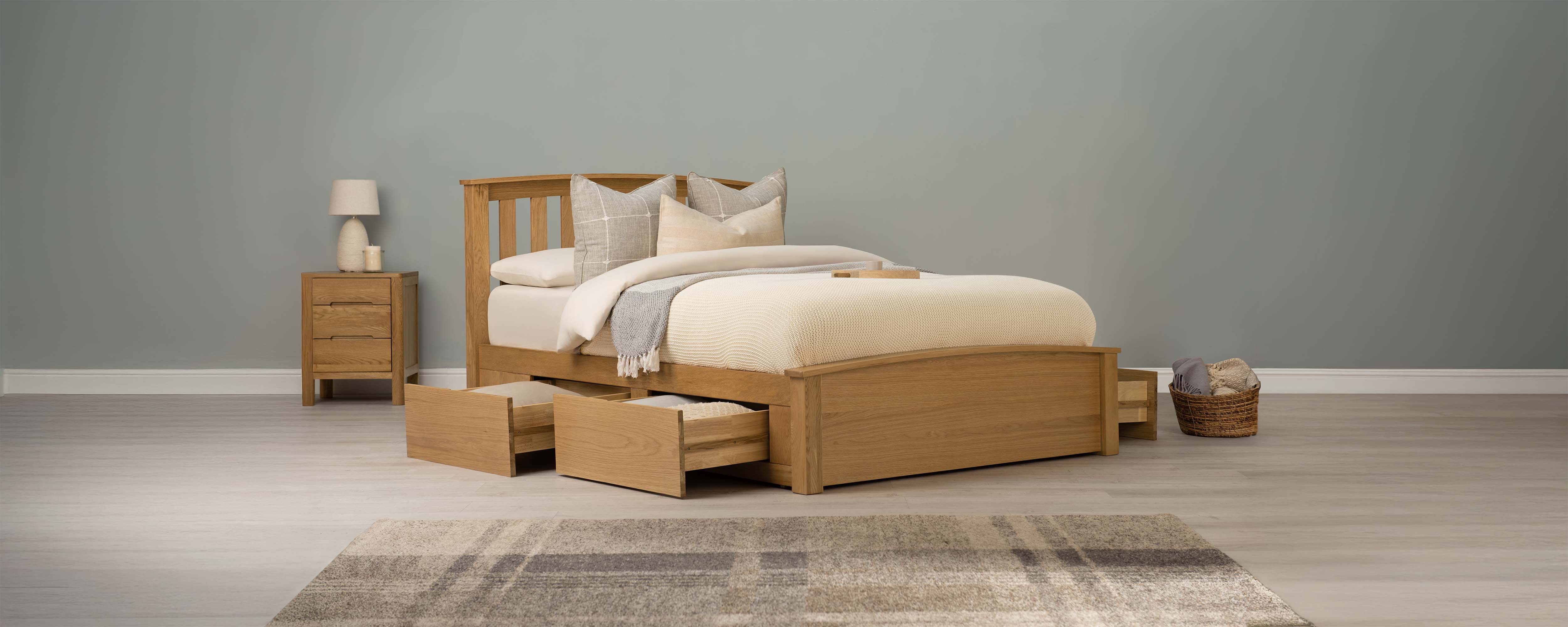
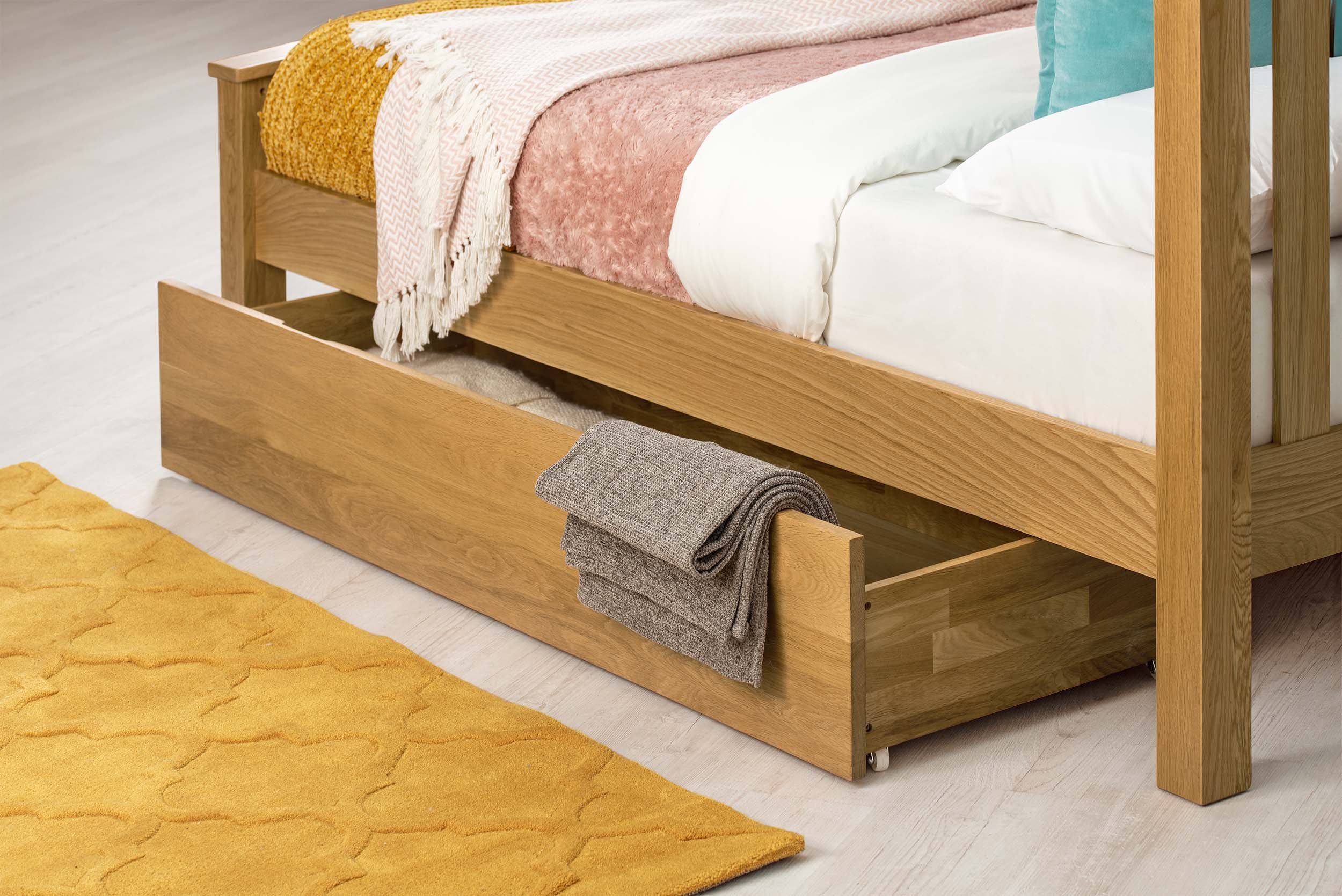
When space is at a premium in UK homes, utilizing the footprint of your bed for storage is incredibly sensible. Whether you choose built-in under-bed drawers or a lift-up ottoman mechanism, the choice of exterior material dictates far more than just the look of the room. It directly influences how the bed ages, how easy it is to keep clean, and how sturdy it feels over time.
Upholstered storage beds are typically constructed from a frame of manufactured timber (like MDF or plywood) wrapped in foam and covered in fabric. They offer a soft texture and a modern, hotel-style appearance.
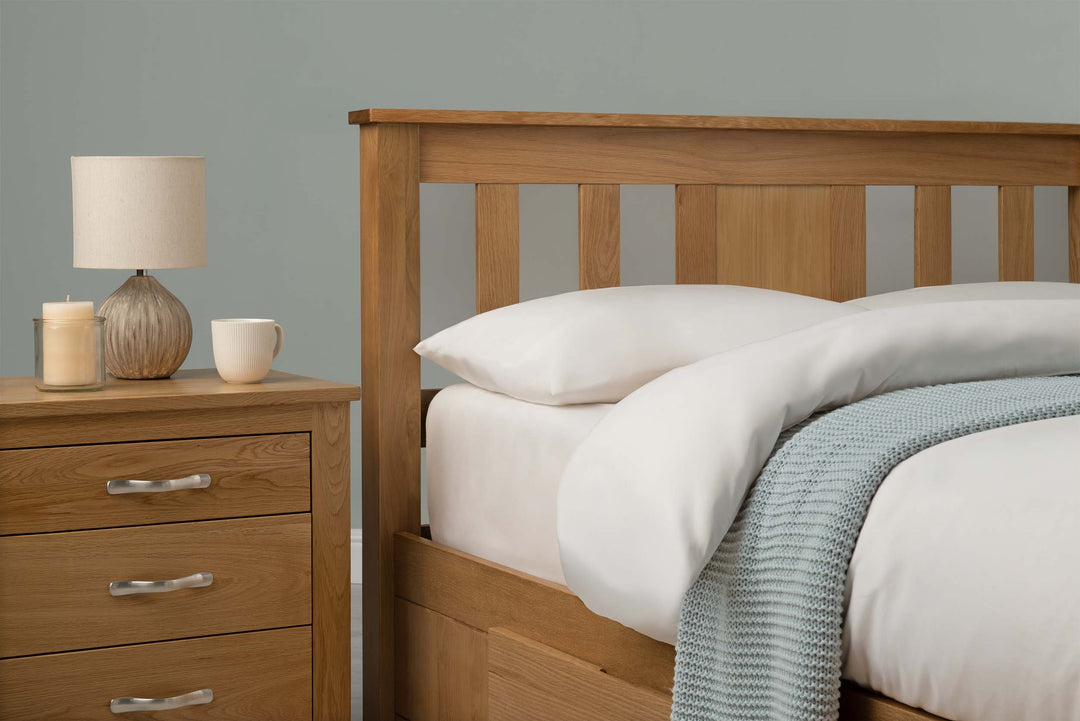
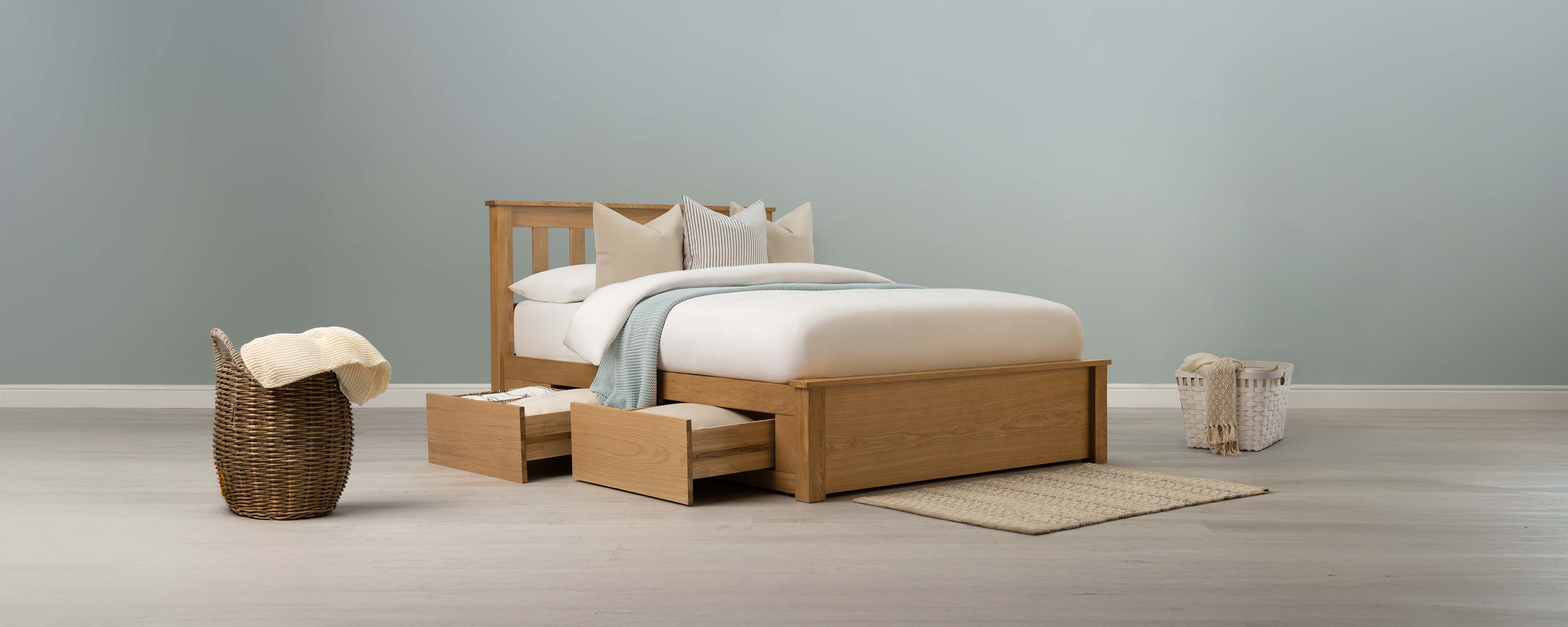
Solid wooden storage beds, by contrast, rely on the inherent strength of natural timber—such as solid oak or durable hardwoods. Instead of hiding the construction behind fabric, the engineering and wood grain are left on display, creating a classic, built-to-last foundation for your room.
2. Durability and Wear: How They Age Over Time
A bed shouldn't just look great on delivery day; it needs to withstand the knocks of daily life. This is where the structural differences between timber and fabric become most apparent, especially if you share your home with young children or pets.
Fabric and Upholstered Beds
Upholstery brings a soft tactile quality to a room, but fabric is inherently vulnerable to everyday wear and tear.
-
Stains and spills: Accidental coffee spills, grease from lotions, or pet marks can easily stain fabric. Cleaning often requires specialist upholstery cleaners, and faint water rings can remain behind.
-
Fraying and claw marks: Cats and dogs are naturally drawn to fabric bed corners. Woven textiles, velvets, and linens are susceptible to pulls, snagging, and fraying from claws.
-
Fading: If your bed sits in a sunny spot near a window, UV rays can cause fabric colours to fade unevenly over a few years.
Solid Wooden Beds
Solid wood handles the realities of a busy household with remarkable resilience.
-
Knocks and scuffs: A vacuum cleaner bump or an accidental knock might leave a minor mark on wood, but it won’t tear or ruin the frame. In fact, small imperfections often blend naturally into the grain.
-
Moving home: Quality timber beds feature solid, mechanical joints that can be disassembled and rebuilt multiple times without losing their structural integrity.
-
Graceful ageing: Instead of wearing out, a quality hardwood frame patinas over time, maintaining its strength and character for decades.
3. The Hygiene Factor: Dust, Allergies, and Maintenance
We spend roughly a third of our lives in bed, which makes bedroom hygiene a major consideration. The materials you choose play a significant role in the air quality and dust levels around your sleep space.
According to health advisory bodies like Allergy UK, household textiles are the primary environment for dust mites—a common trigger for asthma and allergy sufferers. Upholstered beds feature large surface areas of woven fabric and underlying foam that naturally trap airborne dust, dead skin cells, and pet dander. Keeping a fabric headboard completely allergen-free requires regular, thorough vacuuming and occasional steam cleaning.
Solid timber, on the other hand, is completely non-porous. Dust simply settles on the surface rather than becoming embedded in the fibres. Maintaining a wooden frame is incredibly simple:
-
Weekly care: A quick wipe down with a soft, dry microfibre cloth is usually all it takes to remove dust.
-
Deep cleaning: For an occasional refresh, a damp cloth followed by a dry towel keeps the wood looking pristine. There are no deep fibres to trap oils or odours.
If you struggle with seasonal allergies or simply prefer a low-maintenance cleaning routine, wood offers a clear, practical advantage. You can see how straightforward it is to care for timber in our Bed Frame Care & Maintenance Guide.
4. Structural Strength: Weight Capacity in Storage Mechanisms
Storage beds have to work much harder than standard frames. If you choose an ottoman style, the frame must support the weight of the mattress, the gas-lift pistons, and the force required to open and close the base. If you prefer drawers, the frame must hold up under heavy everyday contents without warping.
Because upholstered beds prioritize a soft exterior, the internal structure is often made from lighter, thinner engineered wood to keep manufacturing costs down. Over time, the repeated tension of pulling open an ottoman mechanism can cause screws to loosen in particleboard, leading to a frame that creaks or feels unstable.
A handcrafted solid wood ottoman bed provides a completely rigid anchor for these moving parts. The heavy-duty bolts and solid timber corners won't flex or warp under the resistance of gas-lift pistons. This ensures the mechanism operates smoothly and quietly, year after year.
If you're considering an ottoman style but aren't sure how the lifting parts work, take a look at The Ultimate Guide to Ottoman Beds for a full breakdown.
5. Aesthetics & Evolving Trends: Timeless Wood vs. Passing Fabric Fads
Redecorating a bedroom is something most of us do every few years. Whether it's a new coat of paint, a change of wallpaper, or a completely new colour palette, your bed needs to fit into your changing style.
-
The flexibility of timber: Wood is an incredibly neutral, natural element. A beautifully grained oak frame looks just as at home against deep, dramatic jewel tones as it does in a bright, minimalist neutral space. If you want to change the look of your room, you simply swap your bedding and wall colours; the bed adapts effortlessly.
-
The commitment of fabric: A bold fabric choice—like a trendy bouclé, a bright velvet, or a specific pastel hue—can easily lock you into a particular design direction. If you decide to redecorate in three years' time, you may find that your expensive bed frame completely clashes with your new vision.
Furthermore, fabric textures go in and out of fashion quickly. The linen look that feels incredibly current today might feel dated in five years. Solid wood transcends these trends; it is a permanent investment rather than a passing style choice.
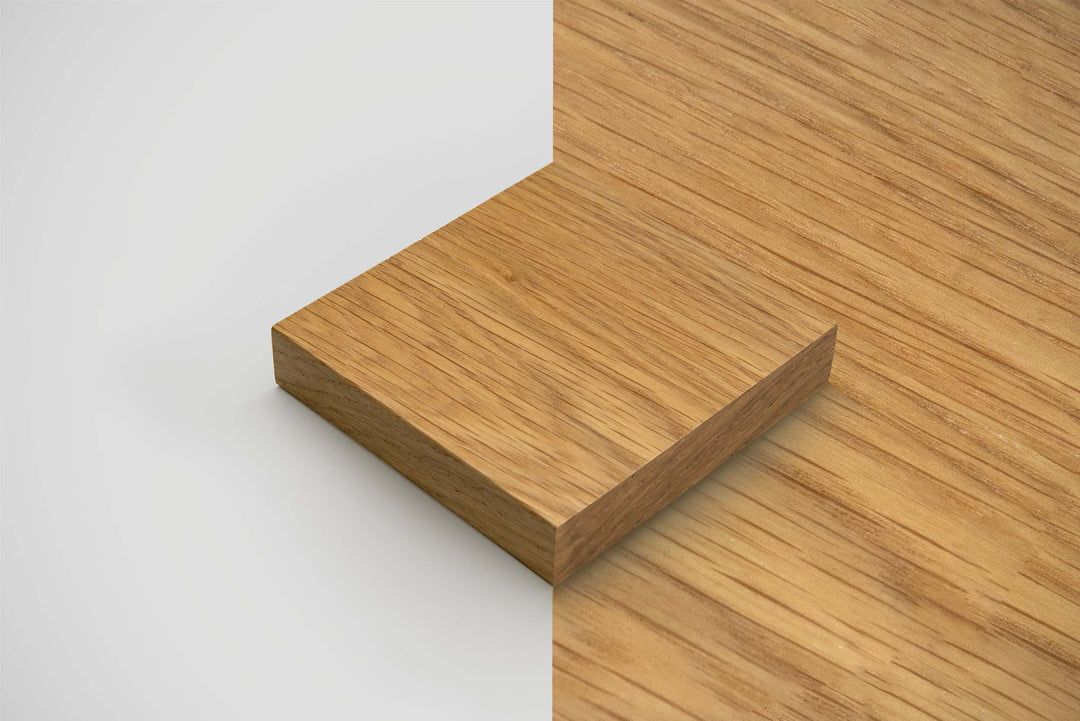
If you want to see how natural wood tones look against different bedroom decors before making up your mind, you can order a free wood sample pack to test the finishes in your own home's light.
6. The Verdict: Which Storage Bed Wins for Your Home?
There is no denying that upholstered beds offer a cosy, soft aesthetic that appeals to many. However, when you look at the long-term realities of home life, a durable bed frame made from solid wood consistently proves to be the more resilient investment.
Choose an upholstered storage bed if:
-
You prioritize a soft, cushioned headboard to lean against above all else.
-
You are happy to commit to regular vacuuming and careful spot-cleaning.
-
You are confident you won't want to change your bedroom's colour scheme or style anytime soon.
Choose a solid wooden storage bed if:
-
You view a bed as a long-term investment that should last for decades, not just a few seasons.
-
You have a busy home with pets, children, or a high-dust environment where easy cleaning is essential.
-
You want the flexibility to redecorate your bedroom whenever you like, knowing your bed will always complement the style.
-
You want a solid, reassuringly quiet frame that handles the mechanical strain of an ottoman lift or heavy storage drawers with ease.
If you’re ready to explore how natural timber can transform your space into an organized, restful retreat, you can browse our collection of handcrafted wooden storage beds.
FAQs
Do fabric or wooden storage beds last longer? Generally, a high-quality solid wooden bed will significantly outlast an upholstered one. While the internal mechanisms may be similar, the exterior of a fabric bed is prone to staining, fraying, fading, and wearing thin over time. Solid wood is highly durable, handles knocks gracefully, and can be easily maintained for decades.
Are upholstered beds hard to keep clean? They require more maintenance than timber. Because fabric is porous, it absorbs hair oils, skin flakes, dust, and spills. To keep an upholstered bed clean, you need to vacuum it regularly with a brush attachment and handle spills immediately with specialist cleaners to avoid water marks or permanent stains. Wood simply requires a quick dust with a dry cloth.
Which type of storage bed is better for a small room? Wooden storage beds often work better in smaller UK bedrooms. Upholstered beds require thick layers of internal padding and foam, which adds several centimetres to the overall footprint (width and length) of the frame. A simple, cleanly designed wooden storage bed maximizes your storage space without unnecessarily eating into your limited floor space.
Is wood heavier and harder to lift than an upholstered ottoman? While a solid hardwood frame is heavier than a cheap fabric frame, the ease of lifting an ottoman bed depends entirely on the gas-lift pistons, not the weight of the wood. Quality ottoman beds use pistons calibrated to counter the weight of both the frame and your mattress, meaning a solid wood ottoman opens just as smoothly and effortlessly as a fabric one.
If you’d like a hand choosing the right storage bed for your home, feel free to get in touch with our Portsmouth team. We’re always happy to help you find something that fits, properly.